Matt & Co · 3 November 2026
Cost of buying property in Turkey: every fee, with an example
Title deed fee, agency commission, valuation, lawyer, translator and insurance: what buying a home in Turkey costs on top of the price, with a £300,000 example.

For a typical resale home in Turkey, budget roughly 5% on top of the purchase price. The two big items are the buyer's half of the title deed fee (2% of the declared value) and the agency commission (2% plus 20% VAT); the rest is a set of smaller fixed costs such as the official valuation, a lawyer, a sworn translator and earthquake insurance. On a £300,000 home in Kalkan that comes to about £15,000.
Below we go through each cost, who pays it and why, and then add them up for a £300,000 example. Figures are correct at the time of writing (October 2026); fees are set by law and by the land registry and do change, so ask your lawyer to confirm them before you complete.
The title deed fee (tapu harcı)
When a property changes hands, the Land Registry charges a title deed fee of 4% of the declared value. By law it is split equally, 2% paid by the buyer and 2% by the seller, although buyer and seller can agree otherwise in the contract, so read that clause carefully. The fee is paid at a bank before the transfer appointment.
The declared value has to be a true figure. Under-declaring the price to reduce the fee used to be common in Turkey and is a false declaration that can bring penalties and back-tax, and it can cause problems later, for example when you sell or if you apply for residence or citizenship based on the property. As a foreign buyer you will also have an official valuation report, and the land registry looks at it. Our advice is simple: declare the price you actually paid.
Agency commission
Turkish regulations cap estate agency commission at 2% of the sale price plus KDV (VAT, currently 20%) from each side. For the buyer, that is 2.4% in total including VAT. Matt & Co charges within that limit, and we tell you the figure in writing before you view.
The official valuation report
Every sale to a foreign buyer needs a valuation report from an appraiser licensed by Turkey's Capital Markets Board (SPK). It confirms the market value of the home and is part of the land registry file. Expect to pay around £300, depending on the property.
Lawyer
A lawyer is not legally compulsory in Turkey, but we strongly recommend an independent one who works for you rather than the seller or the agent. They check the title deed for debts and restrictions, review the contract, check the planning position and the habitation certificate, and can attend the transfer for you if you give them a power of attorney. A typical fee for a straightforward purchase is around £1,000. Our legal guide to buying in Turkey explains what a good lawyer should cover.
Sworn translator
If you do not speak Turkish, the Land Registry requires a sworn translator at the transfer appointment so you understand what you are signing. Allow around £200. A translator is also needed if you sign a power of attorney at a Turkish notary.
Earthquake insurance (DASK)
Compulsory earthquake insurance is required for residential buildings and must be in place before the transfer. It is issued through the state-backed pool DASK and sold by ordinary insurers. For a typical Kalkan home it costs around £75 a year, depending on size and construction. It covers the building only, so most owners also take out a normal home insurance policy for contents and other risks.
Land registry revolving-fund fee
On top of the title deed fee, the land registry charges a small fixed service fee, the döner sermaye ücreti, which is set each year. Budget about £100.
Utilities set-up
Moving the electricity and water accounts into your name, with deposits and the paperwork that goes with it, usually costs around £200 in total, though it varies by home. You will need your tax number and title deed to do this.
Smaller costs to be aware of
- Tax number and bank account. Getting a Turkish tax number is free. A bank may charge account fees. See our guide to getting a Turkish tax number and bank account.
- Power of attorney. If you complete from abroad, notary, apostille and translation fees apply. We cover them in buying property in Turkey from abroad.
- Money transfer. Exchange-rate margins and bank charges can easily exceed some of the fees above. See paying for property in Turkey.
- New-build VAT. Buying a brand-new home directly from a developer is a different case: the sale can carry KDV (VAT), and there is an exemption for non-resident foreign buyers on the first sale if the money comes from abroad in foreign currency and certain conditions are met. If you are looking at a new build, ask your lawyer about this before signing.
Costs the seller normally covers
It helps to know what is not on your bill. The seller normally pays their own 2% share of the title deed fee and their own agency commission, and must clear any mortgage or attachment on the deed before the transfer. Unpaid property tax, utility bills and complex maintenance charges up to completion are also the seller's to settle, and your lawyer should ask for proof that they have been paid. Any tax the seller owes on their gain is a matter between the seller and the Turkish tax office, not something that passes to you with the property. If a contract tries to move any of these onto the buyer, ask why before you sign.
Worked example: a £300,000 resale villa
Here is how the costs add up for a £300,000 home, using the figures above and assuming the deed is declared at the price paid and the usual 2%/2% split.
- Title deed fee, buyer's 2%: £6,000
- Agency commission, 2% + 20% VAT: £7,200
- Valuation report: £300
- Lawyer: £1,000
- Sworn translator: £200
- DASK earthquake insurance, first year: £75
- Land registry revolving-fund fee: £100
- Utilities set-up: £200
Total: about £15,075, or roughly 5% of the price. So a buyer of a £300,000 home should have around £315,000 available, plus any transfer costs and a contingency for furniture or small repairs.
Fees in Turkey are paid in lira, so the exact sterling cost depends on the exchange rate on the day. The fixed items in particular are estimates and vary from home to home.
What owning it costs each year
Once the keys are yours, the running costs are modest compared with much of Europe, but they are real. Expect an annual council property tax (emlak vergisi), set at a small percentage of the official value, renewal of DASK and home insurance, electricity and water, and, for homes in a complex, a monthly maintenance charge for the shared pool and gardens. A private pool and garden bring cleaning and gardening costs, and if you let your home there is income tax and, for short lets, a licence. We will cover running costs in detail in a separate guide; in the meantime, the buying page on our site sets out the process step by step.
Next steps
If you are budgeting for a specific home, ask us for a costed breakdown. We will give you the figures in writing, and your lawyer can then confirm them independently before you commit.
For sale now
View the collection →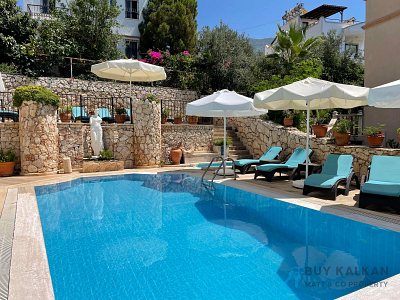
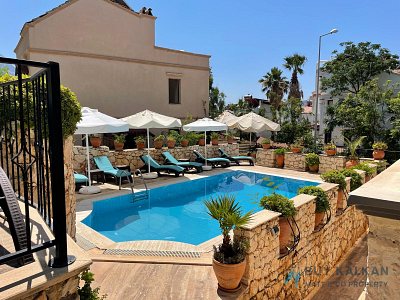
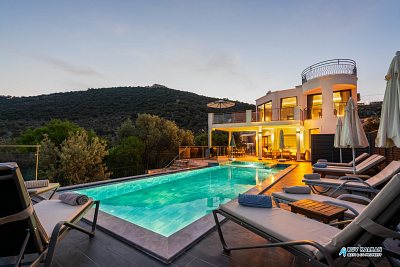
Keep reading
Related articles.

Buying property in Kalkan: a UK buyer’s guide to prices, areas and the process
Searching "property for sale in Kalkan" or "houses for sale in Kalkan Turkey"? Here’s what UK buyers need to know — prices, the best areas, flights from the UK, visas and the step-by-step buying process.

Buying property in Turkey: your legal guide
The Tapu, the tax number, military clearance and the role of your lawyer — a clear, jargon-free walk through the legal side of buying a home in Turkey.

Why Kalkan is drawing buyers from Russia and China
Sea views, the quiet of a small town and a clear route to Turkish citizenship through a property purchase of US$400,000 or more. Why buyers from Russia and China are increasingly looking at Kalkan, and what is worth knowing before you start.