Matt & Co · 10 June 2026
Buying property in Turkey: your legal guide
The Tapu, the tax number, military clearance and the role of your lawyer — a clear, jargon-free walk through the legal side of buying a home in Turkey.
Türkçe · Русский · Deutsch · 简体中文 · Español · Français · Nederlands · العربية · Português · Українська · Italiano · Polski

Buying a home abroad can feel daunting, but the Turkish system is, in reality, well-established and welcoming to foreign buyers. Thousands of Britons and Europeans own homes here, and the process is more straightforward than many expect — provided you do it properly. Here is what actually happens, and where to take care.
Yes, you can own it outright
Turkey grants foreign nationals full freehold ownership of property in their own name. Citizens of the UK, most of the EU, the US and many other countries can buy without a local partner or company. There are only two real limits: property in designated military zones is off-limits to foreigners, and there is a cap on the total land area one foreign national can own in a given district. Neither typically affects residential buyers in Kalkan — but every purchase must still receive military clearance confirming the property is not in a restricted zone, which we arrange as part of the process.
The Tapu is everything
The single most important document is the Tapu — the official title deed issued by the Land Registry. Legal ownership passes only when a new Tapu is registered in your name. A signed contract and a paid deposit do not make you the owner; the Tapu transfer does. Before any money is committed, the title must be checked to confirm the seller genuinely owns the property and that there are no mortgages, debts, liens or planning problems registered against it.
The steps, in order
Once you have agreed a price, a bilingual contract of sale sets out the terms and the payment schedule, and you pay a deposit to secure the property. You will need a Turkish tax number (quick and free to obtain) and a Turkish bank account. A licensed valuation report is prepared — this is now mandatory for foreign buyers. Military clearance is applied for. When everything checks out, both parties attend the Land Registry, the transfer tax and fees are paid, and the Tapu is signed over. Completion usually takes four to eight weeks.
Use an independent lawyer
While not legally compulsory, an independent, English-speaking Turkish lawyer is the best money you will spend. They verify the title, check for debts and permits, review the contract in your interest, and — importantly — can act for you under power of attorney so you do not have to be in Turkey for completion. Choose a lawyer who is independent of the seller and the developer.
The costs to budget for
Beyond the price, allow roughly 6–9%. The main items are the transfer tax (currently 4%, sometimes shared between buyer and seller), Land Registry and revolving-fund fees, the valuation report, DASK earthquake insurance (obligatory and cheap), translation and notary fees, legal fees, and the agency fee. You should receive a clear, itemised estimate before you commit.
A word on money and tax
Homes here are usually priced in pounds, euros or dollars, but the Tapu value is recorded in lira on the day, so exchange timing matters — a regulated currency specialist will usually beat the banks. Turkey has a double-taxation treaty with the UK, and annual property taxes are low. If you plan to let the property, there are registration and tax steps to follow, which your lawyer and a local accountant can set up.
None of this is difficult with the right guidance. Our job — alongside your lawyer — is to make sure every box is ticked, so the only thing left to feel is the excitement of picking up the keys.

For sale now
View the collection →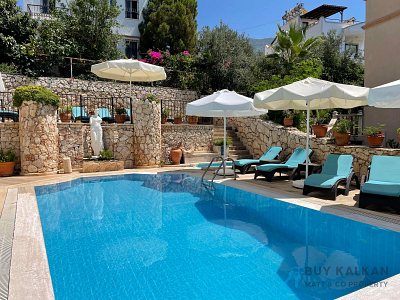
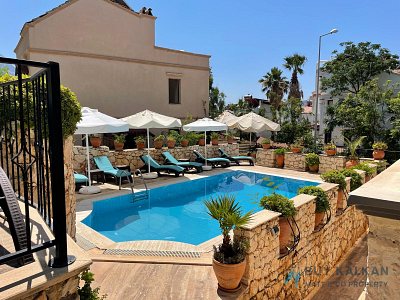
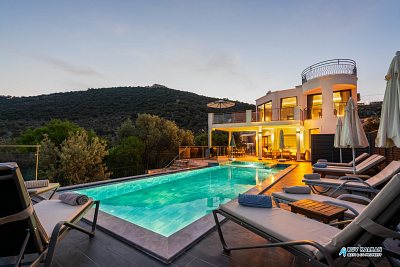
Keep reading
Related articles.

Buying property in Kalkan: a UK buyer’s guide to prices, areas and the process
Searching "property for sale in Kalkan" or "houses for sale in Kalkan Turkey"? Here’s what UK buyers need to know — prices, the best areas, flights from the UK, visas and the step-by-step buying process.

Why Kalkan is drawing buyers from Russia and China
Sea views, the quiet of a small town and a clear route to Turkish citizenship through a property purchase of US$400,000 or more. Why buyers from Russia and China are increasingly looking at Kalkan, and what is worth knowing before you start.

Moving to Türkiye now: 20 years free of tax on your foreign income
A new law exempts people who become Turkish tax residents from income tax on their foreign income for 20 years. Here is who qualifies, what it covers, and why it could make a move to Kalkan more attractive than ever.