Matt & Co · 2 July 2026
Moving to Turkey: how easy is it, and what do you need?
Residence permits, citizenship by investment, healthcare and the practical steps of relocating — a plain-English guide to making Turkey your home.
Türkçe · Русский · Deutsch · 简体中文 · Español · Français · Nederlands · العربية · Português · Українська · Italiano · Polski

For a growing number of our buyers, a holiday home in Kalkan is the first step towards something bigger: living here, at least part of the year. The good news is that Turkey is one of the more accessible countries in which to establish residence, and owning a property makes it more straightforward still. Here is how it works and what to expect. (Immigration rules do change, so always confirm the current position with a lawyer before you rely on any detail.)
Visiting versus living
Many nationalities, including UK citizens, can enter Turkey visa-free for short stays — typically up to 90 days in any 180-day period. That is plenty for extended holidays, but if you want to stay longer, or make Turkey your base, you will need a residence permit.
The short-term residence permit
The most common route for property owners is the short-term residence permit (kısa dönem ikamet), which can be granted on the basis of owning a home in Turkey. You apply online, book an appointment, and provide the standard supporting documents: your passport, biometric photos, proof of address (your Tapu), valid health insurance, and evidence you can support yourself. Permits are usually issued for one to two years and are renewable. Owning your property means you are not tied to a rental contract and have a clear, stable address — which makes the whole application cleaner.
Citizenship by investment
Turkey also offers citizenship by investment: buying property at or above a set US-dollar threshold (and holding it for a required period) can make you eligible to apply for a Turkish passport, with routes for your spouse and children too. The threshold and conditions are set by the government and are reviewed periodically, so the figure matters and must be checked at the time. For buyers at the upper end of the market, it can be an attractive additional benefit rather than the main motive.
Health cover and healthcare
Valid health insurance is a requirement for a residence permit, and it is inexpensive here. Once resident, you may also be able to join the Turkish state health system (SGK) after a qualifying period. Either way, healthcare is a pleasant surprise for most newcomers: modern private hospitals in Antalya and Fethiye offer high-quality treatment at a fraction of UK private prices, with many English-speaking doctors.
The practical side of settling in
Beyond the paperwork, the day-to-day of relocating is smoother than many fear. You will want a Turkish tax number and bank account (both easy to arrange), a local mobile SIM, and to transfer or set up utilities. Fast fibre internet is widely available — good news if you work remotely. A local accountant can keep you right on any tax obligations, particularly if you let your property. Learning some Turkish will enrich the experience, though you can manage day one with English in Kalkan.
Is it easy? Honestly, yes — with guidance
None of this is complicated, but it does reward doing things in the right order and with the right advisors. Between us, a good lawyer and a local accountant, the path from holidaymaker to part-time — or full-time — resident is well trodden and well supported. Many of our owners began with a two-week holiday and now spend half the year here. If that is a future you can picture, the first step is simply finding the right home.

For sale now
View the collection →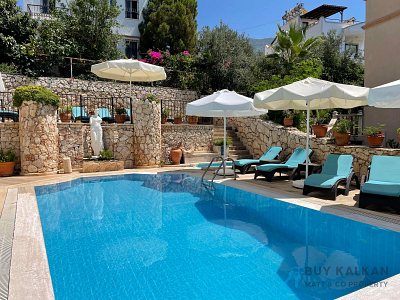
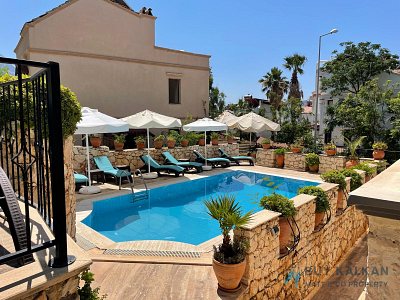
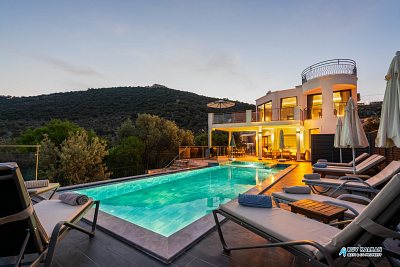
Keep reading
Related articles.

Is Kalkan safe? Life, safety and culture on the Turquoise Coast
How safe is Kalkan really, what is the local culture like, and what should international owners know about fitting in? An honest look at daily life in this welcoming town.

The seasons in Kalkan: a month-by-month weather guide
When does the summer season start, how hot does it get, and what are the shoulder months really like? A practical guide to Kalkan’s climate through the year.

Why Kalkan is drawing buyers from Russia and China
Sea views, the quiet of a small town and a clear route to Turkish citizenship through a property purchase of US$400,000 or more. Why buyers from Russia and China are increasingly looking at Kalkan, and what is worth knowing before you start.